
Finding your dog gone at home is a moment no one is ready for. Whether it happened peacefully in their sleep or after a long illness, you may feel shock, numbness, and a dozen practical questions all at once. If you are wondering what to do when your dog dies at home, take a slow breath: you do not have to do everything in the next ten minutes, and you do not have to do it alone.
This gentle, step-by-step guide walks you through the first hours: confirming that your dog has passed, caring for their body, calling your vet, and choosing between cremation and burial. At the end, we also share quiet ways to keep their memory close when you are ready.
Quick Answer: The First Steps
- Check for breathing and a heartbeat. If there is any doubt, call a vet.
- Call your veterinarian (or a 24-hour emergency clinic after hours).
- Wearing gloves, lay your dog on a towel or blanket.
- Keep their body indoors in the coolest room of your home.
- Arrange cremation or burial within about 24 hours, sooner in warm weather.
In This Guide
- How to Confirm Your Dog Has Passed
- Step by Step: What to Do First
- What Is Normal After Death
- Cremation, Burial and Other Options
- If Your Dog Passes at Night or on a Weekend
- Practical Details for Later
- Taking Care of Yourself and Your Family
- Keeping Them Close When You Are Ready
- Frequently Asked Questions
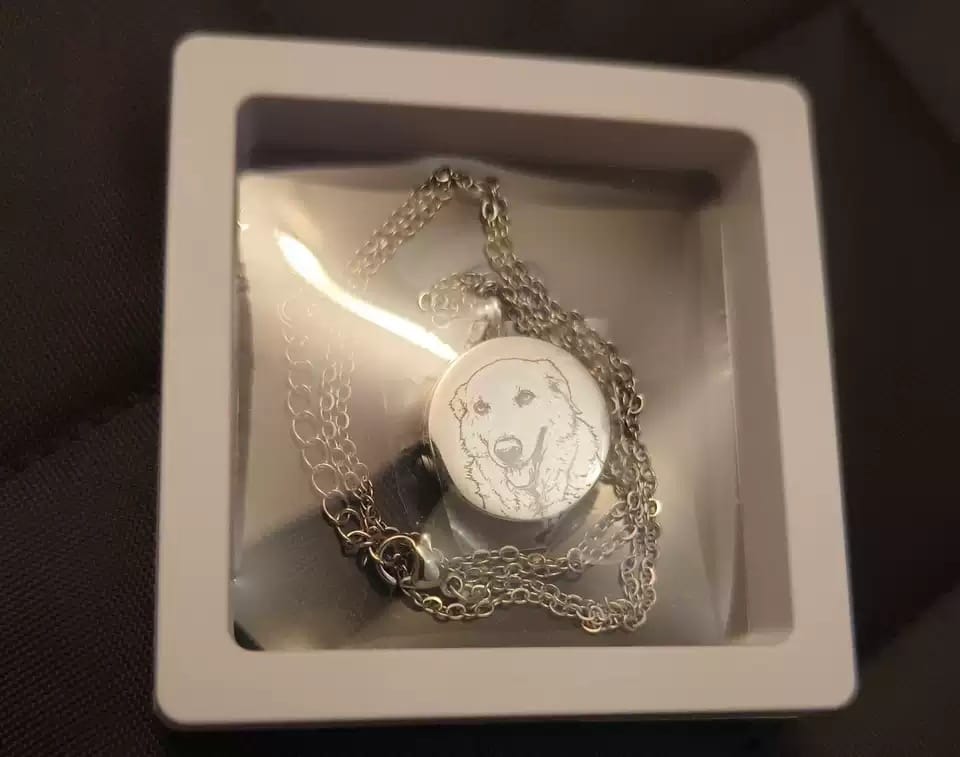
There is no rush to decide how to remember them.
How to Confirm Your Dog Has Passed
Dogs often sleep very still, so take a moment to check calmly before you assume the worst. Signs that your dog has died include:
- No breathing: there is no movement of the chest or belly.
- No heartbeat: you cannot feel one when you rest your hand on the chest, just behind the front elbow.
- No response: your dog does not react to your voice or touch, and their eyes stay open, fixed and glassy.
A faint pulse can be hard to find, so if you are unsure, call your veterinarian immediately. They can guide you over the phone and tell you whether to bring your dog in.
Step by Step: What to Do When Your Dog Dies at Home
Pause, Then Call Your Veterinarian
Sit with your dog for as long as you need. When you are ready, call your regular vet, or an emergency clinic if it is after hours. They can confirm the death, tell you how to care for the body, and often arrange collection or hold your dog for a short time while you decide on aftercare. If your dog died suddenly and unexpectedly, you can also ask whether a necropsy (an animal post-mortem) would help you understand why.
Prepare Your Dog’s Body
Put on disposable gloves. Gently lay your dog on their side on a towel, blanket or sheet, with their legs tucked in naturally, and place puppy pads or thick towels underneath to absorb any fluids. Do this within the first hour or so, because the body stiffens after death and becomes harder to position. If your dog is large, ask someone to help you lift, and bend your knees rather than your back.
Keep Them Cool and Protected
Move your dog to the coolest room in your home, away from sunlight, heaters and unventilated spaces. Wrapping cold packs or frozen bottles in a towel and placing them nearby can help slow changes in warm weather. Keep your dog indoors or in a closed garage so wildlife and other animals cannot reach them.
Gather Keepsakes Before Aftercare
If it feels right, take a small clip of fur from a hidden spot such as the chest or back, make a paw print with ink or clay, and set aside their collar and tag. These moments are much harder to recreate later, and you can decide what to do with them whenever you are ready.
Let Family and Other Pets Say Goodbye
Some children and adults want a last moment to see and touch your dog, while others prefer to remember them as they were. Both are fine. If you have other pets, you can let them sniff your dog briefly while you supervise, which may help them understand what has happened. If they seem stressed, give them space.
Arrange Aftercare Within About 24 Hours
In cool weather you can generally keep your dog at home for up to about 24 hours, and for less time when it is warm. Your vet, a local pet crematorium or a pet cemetery can arrange collection or tell you where to bring your dog. Choosing the right option takes time, so see the next sections for a quick overview.
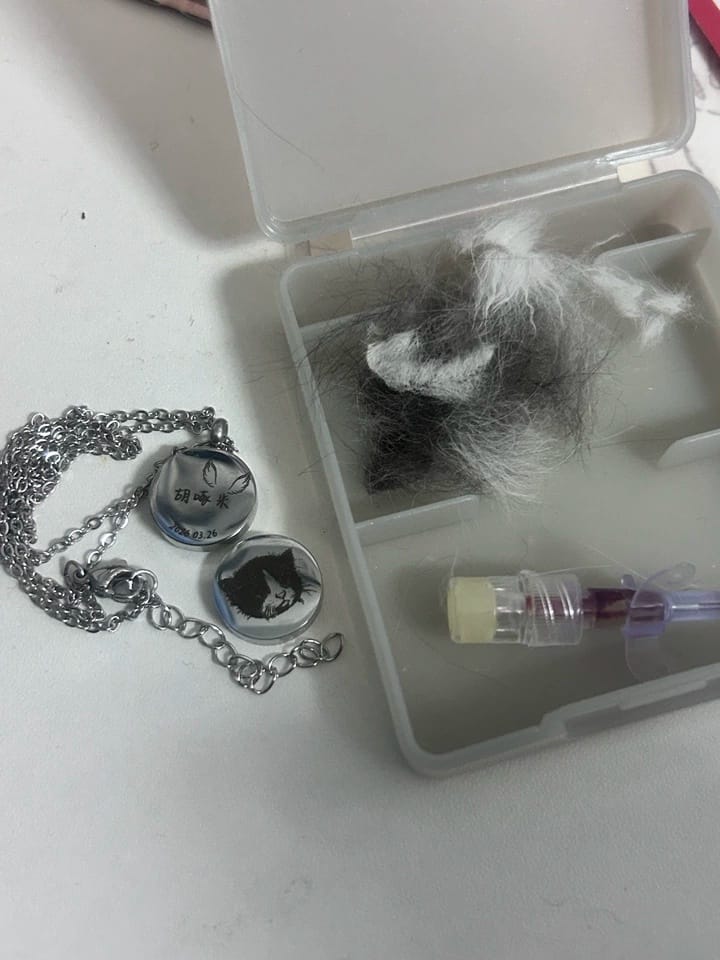
The small clip of fur you save in step 4 can later be sealed inside memorial jewelry.
What Is Normal After Your Dog Dies
Seeing physical changes can be upsetting if you are not expecting them. They are natural, and they are not a sign that your dog is in pain or that you did something wrong.
- Twitching or a last breath-like sound: muscles can move and trapped air can escape for a short while after death.
- Release of urine, stool or other fluids: the body relaxes completely, and fluids can continue to leak for hours or longer.
- Cooling: the body gradually loses warmth over the first hours.
- Stiffness (rigor mortis): it usually begins within a few hours, depending on size and temperature, and gradually eases over a day or two.
Use gloves, keep puppy pads or towels under your dog, and clean any surfaces afterward with an enzymatic pet cleaner.
Cremation, Burial and Other Aftercare Options
There is no right or wrong choice, only what feels right for you and your family. Here is a short overview. For a full comparison, read our guide to cremation vs burial for pets.
Cremation
Private (individual) cremation returns your dog’s own ashes to you, while communal cremation does not. Many vets can arrange it for you. Prices vary, so see how much it costs to cremate a dog. If you receive ashes, here are ideas for what to do with dog ashes.
Burial at Home or in a Pet Cemetery
Home burial is not allowed everywhere, and rules differ by country, state and town, so check local regulations (and your landlord’s permission if you rent) before you dig. A pet cemetery can handle everything for you.
Veterinary Handling or Donation
Your vet can often store your dog briefly and arrange collection by a crematorium. Some veterinary schools also accept body donations for education, so ask your vet if this is something you would consider.
If Your Dog Passes at Night or on a Weekend
You do not need to make any decisions in the middle of the night. Wrap your dog in a clean blanket, place them in the coolest part of your home, and call your vet in the morning. If you want help sooner, a 24-hour emergency veterinary clinic or an after-hours pet aftercare service can advise you and arrange collection.
Practical Details to Take Care of Later
None of this is urgent, but it helps to know what is waiting for you once the first days have passed:
- Ask your vet for any paperwork you may need for pet insurance claims.
- Update the microchip registry and cancel any local pet license.
- Cancel medication refills, food subscriptions and recurring appointments.
- Keep their vaccination booklet or medical file as a personal memento.
Taking Care of Yourself and Your Family
Losing a dog at home can feel especially raw, because the place where you lived with them is now full of reminders. Eat something, drink water, and let yourself cry. There is nothing excessive about grieving a family member.
If you are supporting children, explain simply and honestly that your dog’s body stopped working and that they are no longer in pain. If your feelings seem to come in waves, our guide to the 7 stages of grief after pet loss may help you feel less alone. And if you are reading this for a friend, here is what to say when someone loses a pet.
If you were not there when your dog passed, or you are replaying what you could have done differently, please know that hindsight is always clearer than the moment. You loved them, and they knew it.
Keeping Them Close When You Are Ready
There is no deadline for deciding how to remember your dog. Many people start with something small, such as the clip of fur or a paw print from the first day, and choose a lasting tribute weeks or months later. You can browse pet memorial ideas at your own pace, or learn how pet fur keepsake jewelry works.
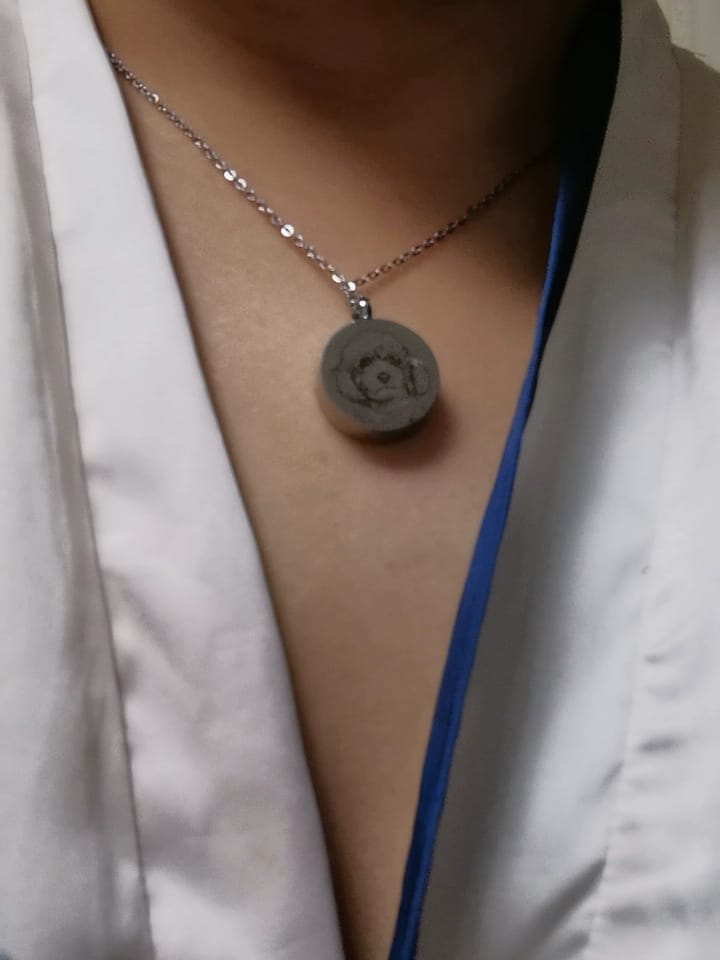
Custom Pet Portrait Urn Necklace
A round pendant that opens to hold a pinch of ashes or a lock of fur. The front is engraved with a 99% accurate portrait of your dog and the back carries their name and dates, crafted from durable 316 titanium steel. Prefer something else? Explore our memorial rings or urn keychains.
Frequently Asked Questions
How long can I keep my dog’s body at home?
In cool conditions you can generally keep your dog at home for up to about 24 hours, and for less time in warm weather. Keep the body in the coolest room, indoors, and arrange cremation, burial or collection as soon as you can.
Is it normal for my dog to twitch or make a sound after death?
Yes. Muscles can twitch and trapped air can escape the lungs for a short time after death. These are natural reflexes and do not mean your dog is still alive or in pain. If you are unsure, call your vet.
Should I let my other pets see the body?
Many owners allow other pets a brief, supervised moment to sniff and see, which may help them understand what happened. There is no single right answer, so if your pets seem anxious, give them space.
Can I bury my dog in the backyard?
Only if local laws allow it. Rules vary widely by location, and some areas prohibit home burial entirely. If your dog received euthanasia medication, ask your vet first because the drug can harm scavenging wildlife and other pets.
What if my dog dies suddenly and I do not know why?
Call your vet and explain what happened. They may suggest a necropsy to learn the cause, which can bring answers and peace of mind, especially if other pets in the home could be at risk.
Can I keep my dog’s fur or ashes in jewelry?
Yes. A small clip of fur or a pinch of ashes can be sealed inside an urn necklace, ring or keychain with a secure screw-top chamber. Read our guide to pet ashes jewelry to learn how it works.
This guide offers general information and is not a substitute for advice from your veterinarian. Rules for handling and burying pets differ by location, so please check with your vet and local authorities. Last updated October 2026.

Keep Them Close Forever
The Pet Keepsake handcrafts premium pet cremation jewelry and custom portrait memorial keepsakes. We believe that love never fades, and our 99% accurate laser engravings ensure your beloved companion’s face is forever close to your heart.
More from The Pet Keepsake
Cremation GuidesHow Much Does It Cost to Cremate a Dog?Understanding cremation costs and options.
Grief Support7 Stages of Grief After Pet LossUnderstanding the healing process after losing a pet.
Cremation GuidesWhat to Do with Dog Ashes?10 beautiful ways to honor your dog.
Grief SupportWhat to Say When Someone Loses a PetComforting words and thoughtful pet loss gifts.
Memorial JewelryPet Fur Keepsake Jewelry GuideA beautiful way to hold onto their memory.
Memorial JewelryThe Ultimate Guide to Pet Ashes JewelryEverything you need to know about memorial jewelry.