
Choosing to lay your dog to rest in your own garden can feel like the gentlest way to keep them close. It can also feel overwhelming, because there are rules, safety questions and practical details you have probably never had to think about. If you are wondering how to bury a dog properly, this guide walks you through each decision, from legal checks and how deep to dig, to what to wrap them in and how to mark the spot.
If your dog has only just passed, you may want to read what to do when your dog dies at home first, then come back here when you are ready to plan.
Quick Answer: How to Bury a Dog
- Confirm that home burial is legal where you live (and that you have permission if you rent).
- Call 811 (in the US) so underground utility lines are marked before you dig.
- Choose a safe spot away from water sources, flood-prone ground and foundations.
- Wrap your dog in a natural blanket or place them in an untreated wooden or cardboard box.
- Dig deep enough to leave several feet of soil above your dog, and deeper if scavengers are a concern.
- Lay your dog down gently, backfill, press the soil down firmly and mark the spot.
In This Guide
- Is It Legal to Bury a Dog at Home?
- When Home Burial May Not Be the Right Choice
- How to Bury a Dog, Step by Step
- How Deep Should You Bury a Dog?
- Choosing a Safe Spot
- What to Wrap Your Dog In
- If Your Dog Was Euthanized
- Marking the Grave
- Alternatives to Home Burial
- Keeping Them Close, Wherever They Rest
- Frequently Asked Questions
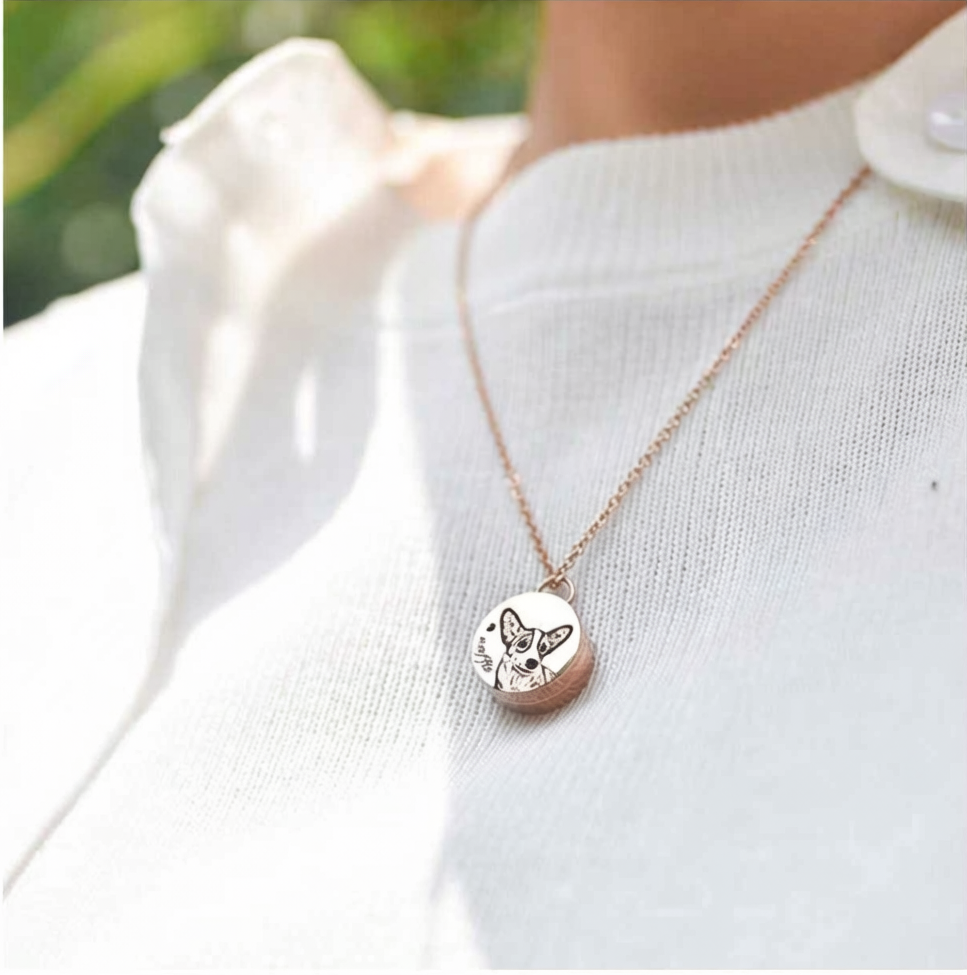
However you choose to say goodbye, you can always carry them with you.
Is It Legal to Bury a Dog at Home?
There is rarely one single rule. In many places the answer depends on several layers at once, and some set minimum burial depths or limit where a grave can be.
- Local government: your city, county or state may regulate pet burial. Animal control, the local health department or the zoning office is a good place to start.
- Homeowners association: an HOA can restrict burials or require setbacks from property lines and drainage areas.
- Landlords: if you rent, do not assume permission. Get it in writing from the property owner.
If you cannot confirm that home burial is allowed, choose another option rather than risk a fine or having to move your dog later.
When Home Burial May Not Be the Right Choice
Burying your dog at home is a loving choice, but it is not always the safest or most practical one. Consider another option if:
- you cannot confirm that it is legal where you live;
- the ground is frozen, very rocky or waterlogged, which makes a safe depth hard to reach;
- your property sits near a well, stream or ditch, or has a high water table;
- your dog was euthanized and wildlife may dig at the grave;
- you rent, live under HOA rules, or may move in the near future.
If any of these apply, our guide to cremation vs burial for pets can help you compare your options.
How to Bury a Dog: Step by Step
Check the Rules and Get Permission
Contact your local authority, and your landlord or HOA if they apply. Ask about permitted locations, minimum depth and any limits on burying a pet that received euthanasia medication.
Call 811 and Pick Your Spot
In the United States, 811 is the free “call before you dig” service that gets buried gas, water, power and cable lines marked. Outside the US, ask your utility provider. Then pick a quiet spot that follows the safety points below.
Prepare the Body and Your Keepsakes
Wearing gloves, lay your dog on a clean blanket. If it feels right, take a small clip of fur and a paw print first, and keep their collar and tag. Our guide to pet fur keepsake jewelry shows how a little fur can be kept close for years.
Dig the Grave Deep Enough
Dig before you bring your dog out, ideally with a helper. Aim for several feet of soil above your dog (see the depth section below). Digging is hard work, and a deeper grave is better than a shallower one.
Wrap Your Dog and Lay Them to Rest
Wrap your dog in a natural cotton blanket or sheet, or place them in a simple untreated wooden or cardboard box. Lower them gently and take as long as you need. Family members can say a few words, share a memory or place a flower.
Backfill and Press the Soil Down
Fill the grave slowly, pressing the soil down firmly as you go. A well-packed, deep grave helps keep animals away and reduces any odor. If scavengers are a concern in your area, a heavy stone or a layer of wire mesh covered with soil can help.
Mark the Spot
Add a stone, a plaque, a planted border or a small flower bed so the site is easy to find and protect. See the ideas below.
How Deep Should You Bury a Dog?
Local rules always come first, because some areas set their own minimum depth. As a general guide:
- Typical guidance: pet owners are often advised to leave at least about 3 feet of soil above a dog, and deeper is better than shallower.
- If scavengers or euthanasia drugs are a concern: wildlife agencies cite at least 3 to 4 feet of cover.
- High water table: some local policies advise keeping the grave at least 3 feet above the seasonal high groundwater level.
If rock, frozen ground or water stops you from reaching a safe depth, that is a sign to choose another option, even if home burial is legal where you live.
Choosing a Safe Spot for the Grave
A good location protects your dog, your family and the environment. Look for a spot that is:
- Away from water: keep clear of wells, streams, ditches and drainage areas. Some local health rules set exact distances, such as at least 25 feet from a well, so ask your authority.
- Not flood-prone: avoid low areas that stay wet or hold standing water after rain.
- Clear of utilities and foundations: use 811 to locate buried lines, and avoid digging right beside your house.
- Away from vegetable gardens: keep the grave separate from anything you grow to eat.
- Quiet and undisturbed: choose somewhere you will not need to dig again, and think about whether you may move one day.
A lawn that is always wet, springs, or nearby creeks that flood are signs of a high water table, which makes backyard burial a poor fit.
What to Wrap Your Dog In
Good Choices
A natural-fiber blanket or cotton sheet, or a simple untreated wooden or unfinished cardboard box. These materials break down naturally and keep the final moment simple and gentle.
What to Avoid
Plastic bags, sealed containers and added chemicals. They slow natural decomposition and are not recommended for a grave.
If Your Dog Was Euthanized
Wildlife agencies generally prefer cremation when euthanasia drugs are involved. If you still choose burial:
- ask your vet whether a barbiturate was used and whether local disposal rules apply;
- dig deeper, at least 3 to 4 feet of cover where possible;
- press the soil down firmly and consider a heavy stone or wire mesh under the topsoil to deter digging;
- avoid sandy or rocky soil and any spot near groundwater.
Some veterinary hospitals also provide a sealed, wildlife-resistant bag for families who choose home burial, so ask what your clinic offers.
Marking the Grave: Gentle Ways to Remember
A marker gives you a place to visit and helps protect the spot from accidental digging. Some simple ideas:
- A smooth stone with their name painted or engraved on it.
- A small plaque or garden stake.
- A border of stones or planted flowers around the grave.
- A favorite toy or collar displayed nearby, rather than buried.
For more inspiration, browse our pet memorial ideas.
Alternatives to Home Burial
Pet Cemetery
A pet cemetery handles the legal and practical details and offers individual plots, communal areas, or cremation with memorialization.
Cremation
You can keep the ashes in an urn, scatter them somewhere meaningful, or turn them into jewelry. See how much it costs to cremate a dog and what to do with dog ashes.
Veterinary Aftercare or a Friend’s Land
Some veterinary clinics offer communal burial or can refer you to aftercare services. Burial on a friend’s or family member’s private land can also work, with the owner’s permission and the same legal checks.
Keeping Them Close, Wherever They Rest
A grave in the garden gives you a place to visit, but many people also want something to carry with them. Because burial means there are no ashes, some families choose a solid engraved custom pet portrait necklace, while others keep a small clip of fur safely sealed inside an urn necklace.

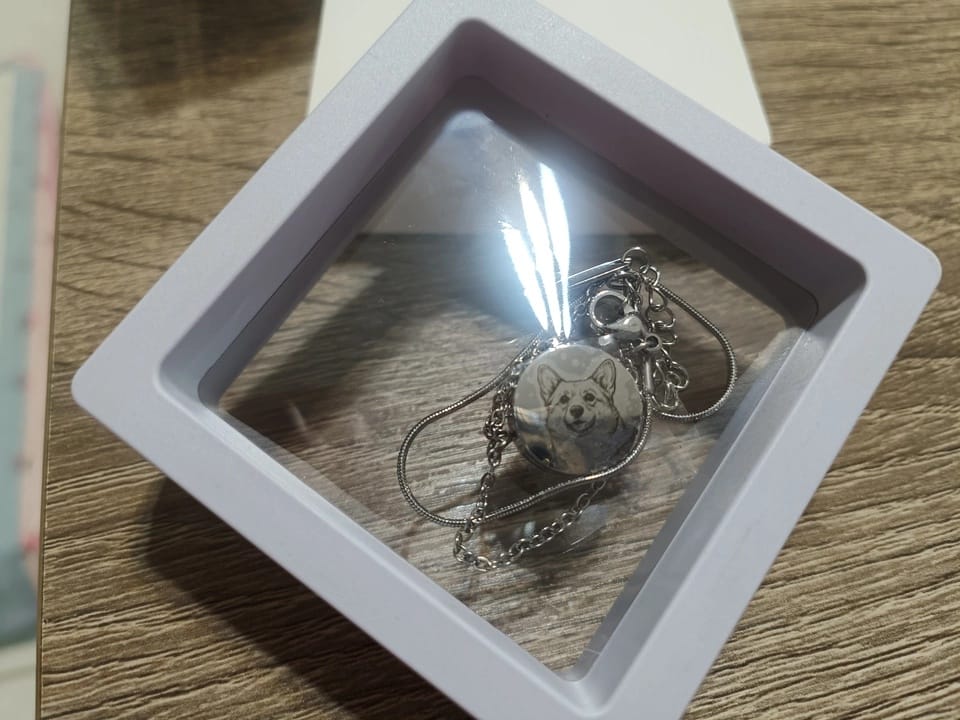
Custom Pet Portrait Urn Necklace
A round pendant that opens to hold a lock of fur or a pinch of ashes. The front is engraved with a 99% accurate portrait of your dog and the back carries their name and dates, crafted from durable 316 titanium steel. You can also explore our memorial rings or urn keychains.
Frequently Asked Questions
How deep should you bury a dog?
Aim for at least about 3 feet of soil above your dog, and 3 to 4 feet or more if scavengers or euthanasia drugs are a concern. Local rules may require a specific depth, so check with your authority first.
Is it legal to bury a dog in my backyard?
It depends on where you live. Some places allow it with conditions, and others prohibit it. Check with your city, county or state, and with your HOA or landlord if they apply.
Can I bury my dog in a plastic bag?
It is better not to. Plastic bags and sealed containers slow decomposition. Use a natural cotton blanket or sheet, or an untreated wooden or cardboard box.
How soon should I bury my dog after they die?
Ideally within about 24 hours, and sooner in warm weather. Until then, keep your dog indoors in the coolest room. If you cannot bury right away, ask your vet about temporary storage.
Will a grave in my garden smell?
A deep grave, prompt burial and thorough soil cover greatly reduce the chance of odor. Decomposition is a natural process, so choose a spot well away from your house and outdoor seating areas.
Can I still keep something of my dog if I bury them?
Yes. Before burial you can keep a small clip of fur, a paw print, and their collar and tag. A little fur can later be sealed inside memorial jewelry. Read our guide to pet fur keepsake jewelry to learn more.
This guide offers general information and is not legal or veterinary advice. Rules for burying pets differ by location, so please check with your veterinarian and local authorities before you dig. Last updated October 2026.

Keep Them Close Forever
The Pet Keepsake handcrafts premium pet cremation jewelry and custom portrait memorial keepsakes. We believe that love never fades, and our 99% accurate laser engravings ensure your beloved companion’s face is forever close to your heart.
More from The Pet Keepsake
Cremation GuidesCremation vs Burial: Which Is Right for Your Pet?Compare your aftercare options side by side.
Cremation GuidesHow Much Does It Cost to Cremate a Dog?Understanding cremation costs and options.
Cremation GuidesWhat to Do with Dog Ashes?10 beautiful ways to honor your dog.
Memorial Ideas10 Unique Pet Memorial IdeasWays to honor your best friend.
Grief Support7 Stages of Grief After Pet LossUnderstanding the healing process after losing a pet.
Memorial JewelryPet Fur Keepsake Jewelry GuideA beautiful way to hold onto their memory.