
Choosing pet euthanasia and cremation is one of the hardest decisions a pet owner makes, and it is made worse by not knowing what will actually happen. Will it hurt? Should you stay? What happens to your pet afterward, and will you really get their ashes back?
This guide walks you through each stage in plain language: what happens during euthanasia, what you may see afterward, how in-home and clinic visits differ, and how communal, partitioned and private cremation work. Knowing what to expect will not take away the grief, but it can make the day feel less frightening.
If you are still wondering whether the time has come, read does a dog know when they are dying first. If your pet has already passed, see what to do when your dog dies at home.

Quick Answer: Pet Euthanasia and Cremation
- Euthanasia usually starts with a sedative, so your pet is calm before the final injection.
- It is quick. Most pets pass within seconds of the final injection.
- You choose whether to stay. You can also be with your pet until the sedative takes effect.
- Three cremation types exist: communal (no ashes back), partitioned and private (your pet’s own ashes).
- Decide before the day if you can, including aftercare, keepsakes and payment.
This article is general information, not veterinary advice. Your vet can explain exactly what will happen for your pet.
In This Guide
What Happens During Pet Euthanasia
The details can vary a little between vets, but most appointments follow the same gentle pattern. PetMD and Lap of Love both describe it clearly.
A Conversation First
Your vet talks you through the steps, confirms your pet’s details and asks about your aftercare wishes, such as cremation or burial. This is a good time to ask any question you have.
Sedation
Your pet is given a sedative, usually as a small injection under the skin or into a muscle. It can sting for a moment, and it takes several minutes to work. Your pet may wobble or sway, so a soft bed on the floor helps. You can hold them, talk to them and say goodbye.
A Catheter, and Time Alone
Your vet may place a small catheter in a vein so the medication can be given smoothly. Once your pet is relaxed, you can ask for a few quiet minutes together.
The Final Injection
The medication is an anesthetic overdose: your pet becomes unconscious first, and then the heart stops. Most pets pass in about 6 to 12 seconds, although a dehydrated pet or one with poor circulation can take a few minutes longer.
Confirmation
Your vet listens for a heartbeat and breathing, and may check for reflexes to confirm that your pet has passed. You will then have private time to say goodbye.
What You May See Afterward
Knowing about these in advance can spare you a shock. They are involuntary reflexes and are not a sign that your pet is aware or suffering.
- Eyes that stay partly open
- One more breath, a small twitch or a stretch
- Loss of bladder or bowel control
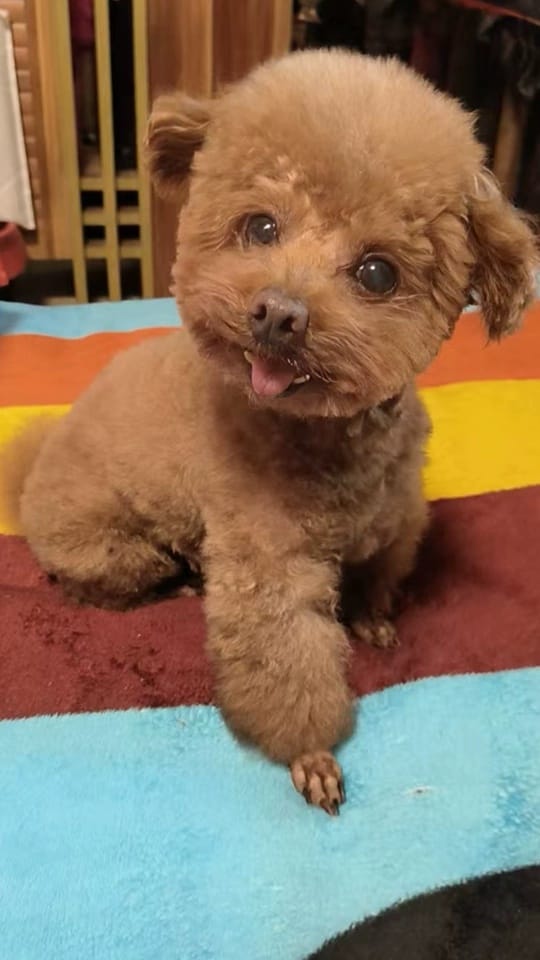
Take your time. There is no rush to leave.
In-Clinic or At Home?
At the Clinic
This is usually the less expensive option, and your vet already knows your pet. The setting is more clinical, which some pets find stressful.
At Home
Many families choose this for a calmer, more private goodbye, because your pet stays in familiar surroundings. It generally costs more, and it is offered by dedicated in-home services and some local vets.
Should You Stay in the Room?
There is no right answer. Many people find comfort in being with their pet until the end. Others prefer to say goodbye while the sedative takes effect, and then step out. Both are loving choices.
- Think about whether you might regret not being there.
- Ask for time alone with your pet, before and after.
- Bring a friend or family member who can support you and drive you home.
- If you cannot be present, ask whether you can join by video or speakerphone.
- Ask for keepsakes while you are there, such as a lock of fur or a paw print.
Pet Cremation Options
Most vets work with a crematory and can arrange everything. Cremation generally comes in three types, and the names can vary by provider, so always ask what each term means.
Communal Cremation
Several pets are cremated together, and the ashes are mixed. Families usually do not receive ashes back. This is the least expensive option.
Partitioned Cremation
Several pets share a chamber, but dividers keep each animal’s remains separate. Whether ashes are returned depends on the provider. It costs less than private cremation and offers more individuality than communal.
Private Cremation
Your pet is cremated alone, and you receive only their ashes, usually in an urn. It is the most personal option and the most expensive. Some veterinarians recommend it if you must decide at the time of death, because you can take your time deciding on a memorial.
For prices, see our guide to the cost to cremate a dog. If you are still choosing between cremation and burial, read cremation vs burial for pets or how to bury a dog.
Questions to Ask Before You Decide
- Which cremation options do you offer: communal, partitioned or private?
- Will my pet’s ashes be returned, and in what form and urn?
- How is each pet identified and kept separate? Can you confirm this in writing?
- Is a viewing available, and can family attend?
- How long will it take before I receive the ashes?
- What does each option cost, and what is included?
- Can you collect my pet from home, and can I keep a paw print or lock of fur?
After Cremation: Keeping Them Close
You do not have to decide what to do with the ashes straight away. Many families keep them in an urn at first and choose a memorial when they feel ready. Our guide to what to do with dog ashes has ten ideas, and pet memorial ideas offers more.
Some people also keep a pinch of ashes or fur close in pet ashes jewelry or a pet ashes keychain, while the rest stays in the urn.
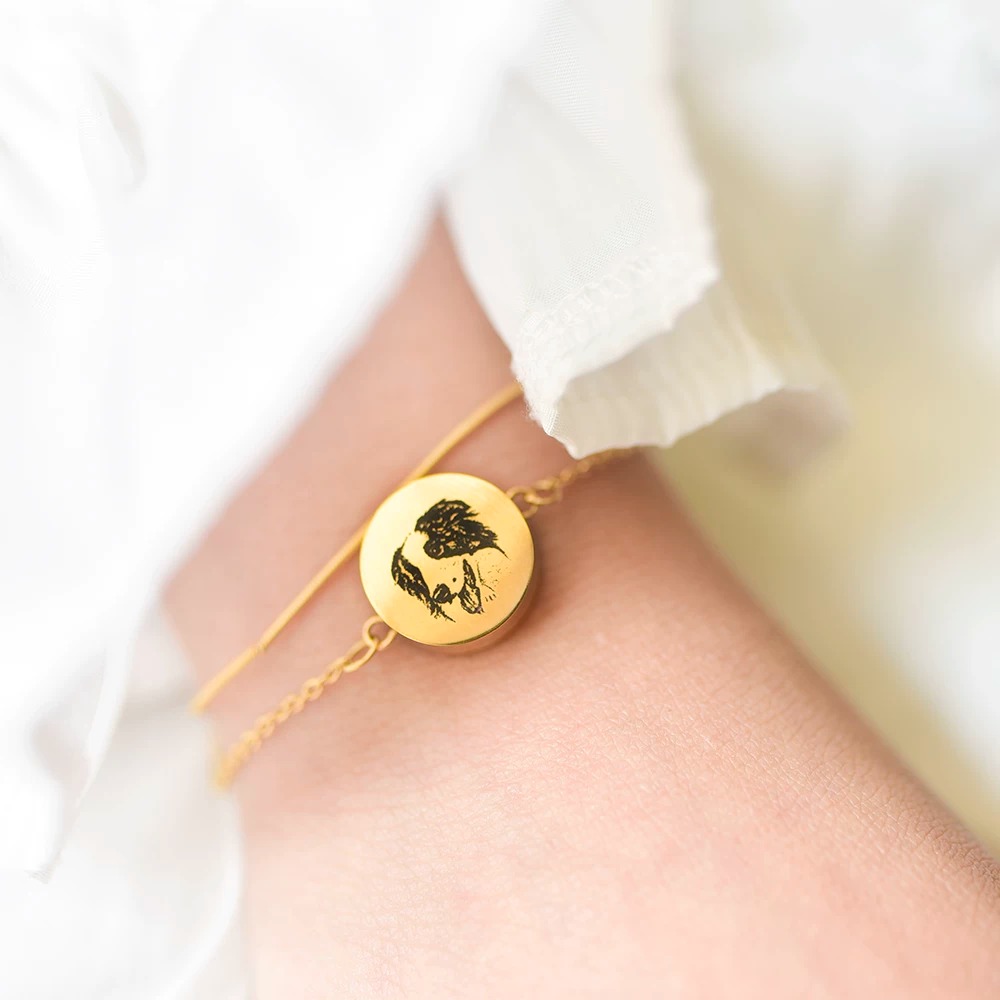
Custom Pet Portrait Urn Bracelet
A 316 titanium steel bracelet with a round pendant that opens to hold a pinch of ashes or fur, and a 99% accurate portrait of your pet on the front. Made to order, with a design proof within 2 business days.
Prefer a necklace? Our urn necklace works the same way, and you can choose a favorite photo while you wait for the ashes to come home.
Frequently Asked Questions
How does pet euthanasia work?
Your vet usually gives a sedative first so your pet is relaxed, then injects a medication into a vein. The medication makes your pet unconscious, and then stops the heart. Most pets pass within seconds, and the vet confirms the passing by listening for a heartbeat and breathing.
Is pet euthanasia painful?
The final injection is designed to be quick and painless when it goes into a vein, and the sedative given beforehand keeps your pet calm. The sedative itself may sting briefly when it is injected. Tell your vet if you are worried, and ask them to explain each step.
How long does pet euthanasia take?
After the final injection, most pets pass in about 6 to 12 seconds, although a dehydrated pet or one with poor circulation can take a few minutes longer. The whole visit takes longer, because the sedative needs several minutes to take effect and you may want time alone with your pet.
Why did my pet breathe or twitch after euthanasia?
Small movements, a final breath, partly open eyes or loss of bladder or bowel control can happen afterward. These are involuntary reflexes, not signs that your pet is aware or in distress. Your vet can prepare you for this beforehand.
Should I stay with my pet during euthanasia?
It is your choice. Many people find comfort in staying, and you can also leave once the sedative has taken effect. If you are unsure, think about whether you might regret not being there, and bring someone who can support you and drive you home.
What is the difference between communal and private pet cremation?
In communal cremation, several pets are cremated together and the ashes are mixed, so no ashes are returned. In private cremation, your pet is cremated alone and you receive their own ashes. Partitioned cremation sits in between. Terms can vary, so ask each provider exactly what they mean.
How can I be sure I receive my own pet’s ashes?
Choose private cremation, where your pet is cremated alone, and ask how each pet is identified and kept separate. You can also ask for written confirmation or whether the crematory offers a viewing. Not all do, but it is becoming more common.
Grieving? Read 7 stages of grief after pet loss. Further reading: PetMD on pet euthanasia and Lap of Love on in-home euthanasia.

Keep Them Close Forever
The Pet Keepsake handcrafts premium pet cremation jewelry and custom portrait memorial keepsakes. We believe that love never fades, and our 99% accurate laser engravings ensure your beloved companion’s face is forever close to your heart.
More from The Pet Keepsake
Cremation GuidesHow Much Does It Cost to Cremate a Dog?A 2026 price guide.
Grief SupportWhat to Do When Your Dog Dies at HomeA step-by-step guide for the first hours.
Grief Support7 Stages of Grief After Pet LossUnderstanding the healing process after losing a pet.
Cremation GuidesWhat to Do with Dog Ashes?10 beautiful ways to honor your pet after cremation.
Memorial JewelryThe Ultimate Guide to Pet Ashes JewelryWhat it is, how to choose, and material comparisons.